Why does the finish on a luxury billiard table matter as much as the wood?
Buyers obsess over walnut versus mahogany and then never ask what is protecting it. The finish decides how the hardwood moves, how the rails wear, and whether the grain still glows in thirty years.
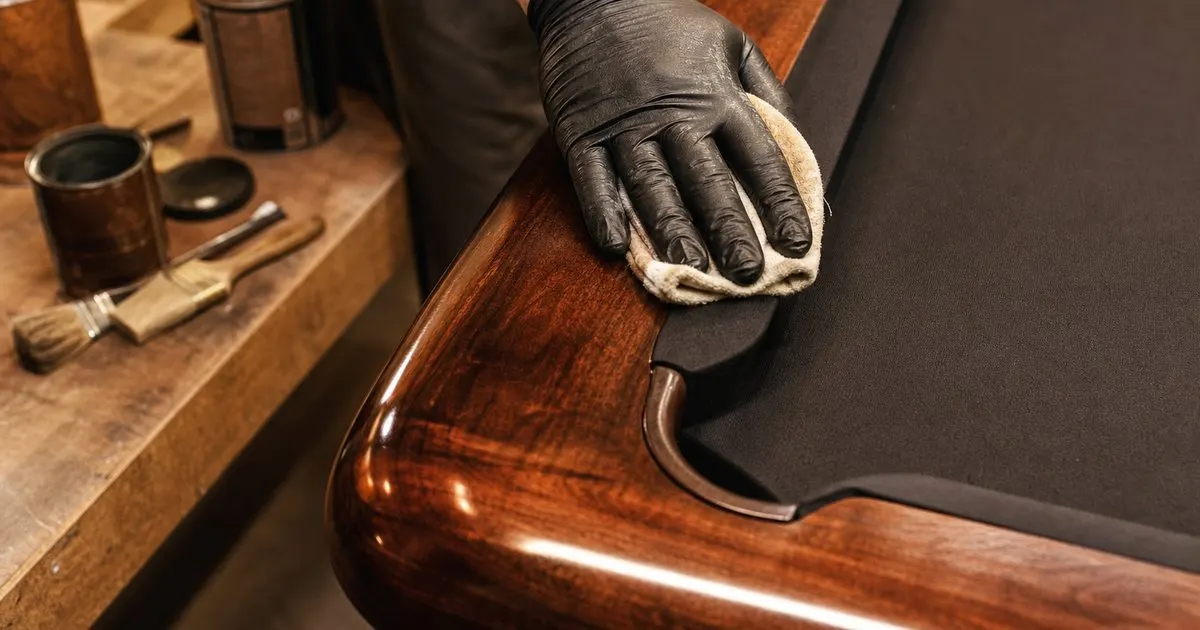
What a finish actually does for hardwood
A finish is not decoration laid over the real work; it is the last structural decision a maker takes. Hardwood breathes with the seasons, taking on moisture in humid months and releasing it in dry ones, and every exchange moves the wood a little. A well-applied finish slows that exchange dramatically. On a billiard table that matters more than on a sideboard, because the rails must stay straight and seated against the slate for the cushions to play true. A frame that swells and shrinks freely will eventually show it in the way balls come off the rails. Related: How do you select an heirloom pool table that lasts for several generations?
The finish also takes the punishment that the timber never sees. Rail tops meet hands, chalk dust, sweat, and the occasional cue butt thousands of times a year. The apron edges collect bumps from chairs and vacuum cleaners. Sunlight from a nearby window works on the color of the wood every afternoon. Finally, and this is what most buyers respond to without naming it, the finish determines how the grain reads. The depth and shimmer in a fine walnut or figured maple rail comes from light passing into a clear film and back out, and a poorly built finish makes even superb timber look flat and plastic.
Keep reading: How do you select an heirloom pool table that lasts for several generations?, What slate thickness truly matters when buying a premium billiard table for home?, Which hardwoods age most gracefully in a fine heirloom quality billiard table?. See how Billiardr helps you a craftsman guide to heirloom pool and billiard tables.
The main finish families and how they age
Oil and wax finishes are the most traditional and the most tactile. They soak into the wood rather than sitting on top, leave a soft satin surface, and are simple to repair with another rubbed coat. Their weakness is protection: they resist moisture and abrasion less than a film finish, so rail tops need more frequent attention. Shellac, applied as French polish, gives the deep glassy look seen on period tables and can be repaired invisibly by a skilled hand, but it softens with heat and marks readily with alcohol, which matters in a room where drinks are served. Related: Are hand-carved bespoke billiard tables worth the considerable investment for serious collectors?
Lacquer is the workhorse of fine furniture shops. Traditional nitrocellulose lacquer ambers gently with age and can be spot repaired because new coats melt into old ones; catalyzed lacquers trade some of that repairability for noticeably better resistance to wear and moisture. Conversion varnish and two-part polyurethane sit at the durable end of the spectrum, forming a hard, chemically resistant film that shrugs off spills and chalk, at the cost of being difficult to repair without refinishing the whole component. Water-based finishes have improved greatly and stay clear rather than ambering, though some makers feel they render warm woods a touch cool. There is no single right answer, only the right match for how the table will live.
Where finish quality shows on a table
Look first at the rail tops, since that is where a finish fails soonest. Run a hand along them and look for an even sheen with no dull patches, ridges, or dust nibs trapped in the film. Then examine the apron edges and leg feet, where lazy finishing leaves drips and thin coverage. On open-grained woods such as oak, walnut, and mahogany, a fine finisher fills the grain before building the topcoats, so the surface reads as a continuous plane rather than a field of tiny pores. Skipping that step is one of the clearest tells of a table finished to a price.
Sheen is a matter of taste with practical consequences. High gloss shows off figure and chatoyance but reveals every scratch and fingerprint; satin hides wear and suits a room used daily. Ask whether color comes from the wood itself, from a stain, or from a toner sprayed into the finish. Toned finishes deliver perfect uniformity but can look opaque, and once worn through they are difficult to touch up because the color lives in the film rather than the wood. A maker who is proud of their timber will usually prefer to show it with a clear finish and let the species set the color.
Questions to ask, and how to live with the answer
Before ordering, ask which finish system the maker uses, how many coats are applied, how the grain is filled, and how long the finish cures before the table ships. Fresh finish that is crated too early can print blanket texture into its surface. Ask how a scratch on a rail would be repaired in five years, and whether they can do it in your home or need the rail back at the shop. A maker who answers those questions easily is one who has thought about the table's whole life rather than its delivery day. Related: What slate thickness truly matters when buying a premium billiard table for home?
Once it is in your room, treat the finish as you would a fine instrument. Keep silicone-based furniture polishes away from it entirely, since silicone contaminates any future repair. Dust with a soft dry cloth and clean only with what the maker recommends. Keep direct sun off the rails or expect the exposed side to shift color faster than the shaded one; cherry darkens noticeably, and walnut lightens. None of that is a defect. Patina is the finish and the wood aging together, and a table that has been allowed to do so gracefully is exactly what an heirloom looks like. Related: Which hardwoods age most gracefully in a fine heirloom quality billiard table?
- A finish slows seasonal moisture movement, which keeps rails straight and cushions playing true.
- Oil, shellac, lacquer, and conversion varnish each trade repairability against durability differently.
- Judge quality at the rail tops, apron edges, and in whether open grain has been filled.
- Ask about coats, cure time, and repair approach, and never use silicone polish on a fine table.

Julien Jimenez
Julien Jimenez is an independent software builder based in Paris. He designs, ships, and operates focused SaaS products for small businesses and independent professionals. Read the full author page.
A Table Built to Be Inherited
A craftsman guide to heirloom pool and billiard tables. Billiardr is built to help you put this into practice.
Find your tableMore from the Billiardr blog
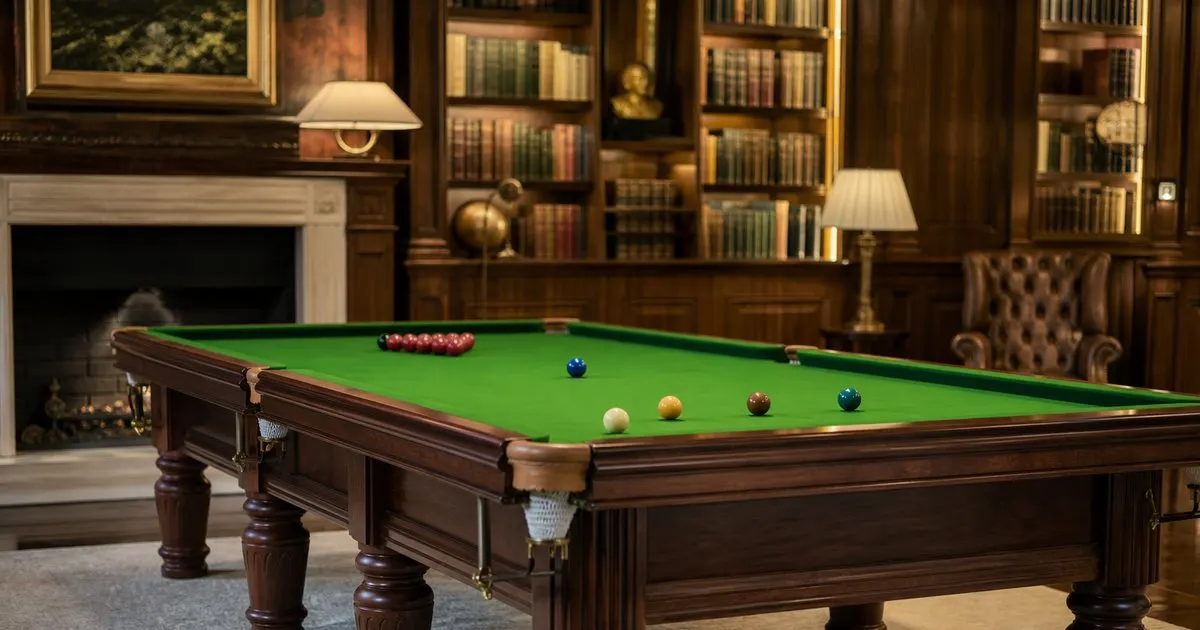
How do you select an heirloom pool table that lasts for several generations?
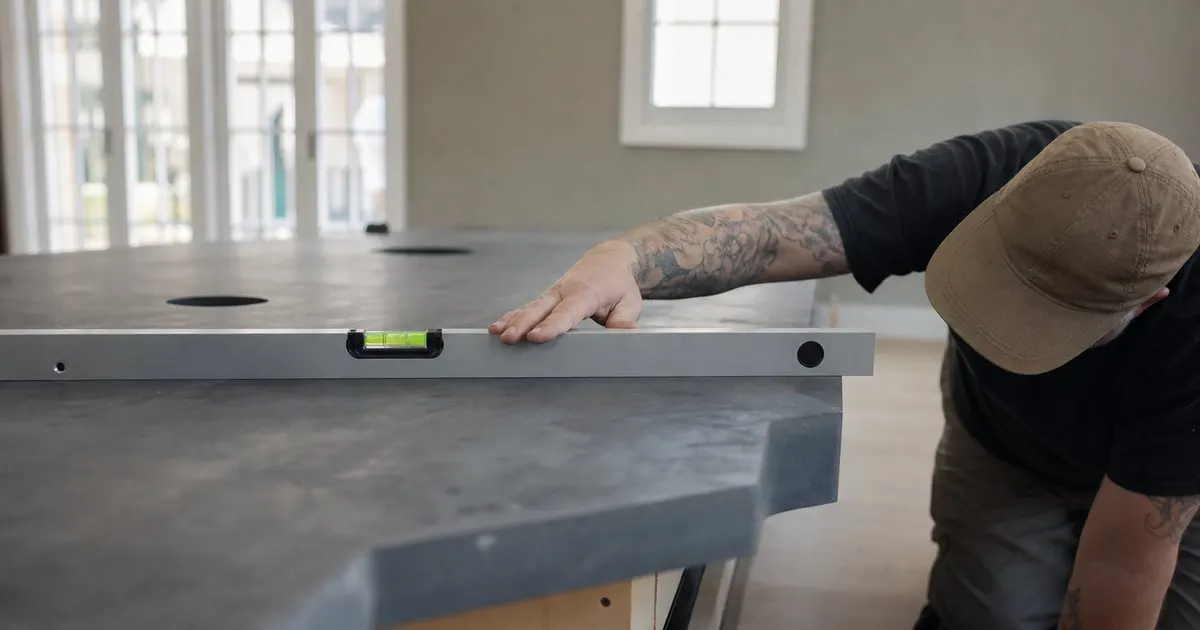
What slate thickness truly matters when buying a premium billiard table for home?
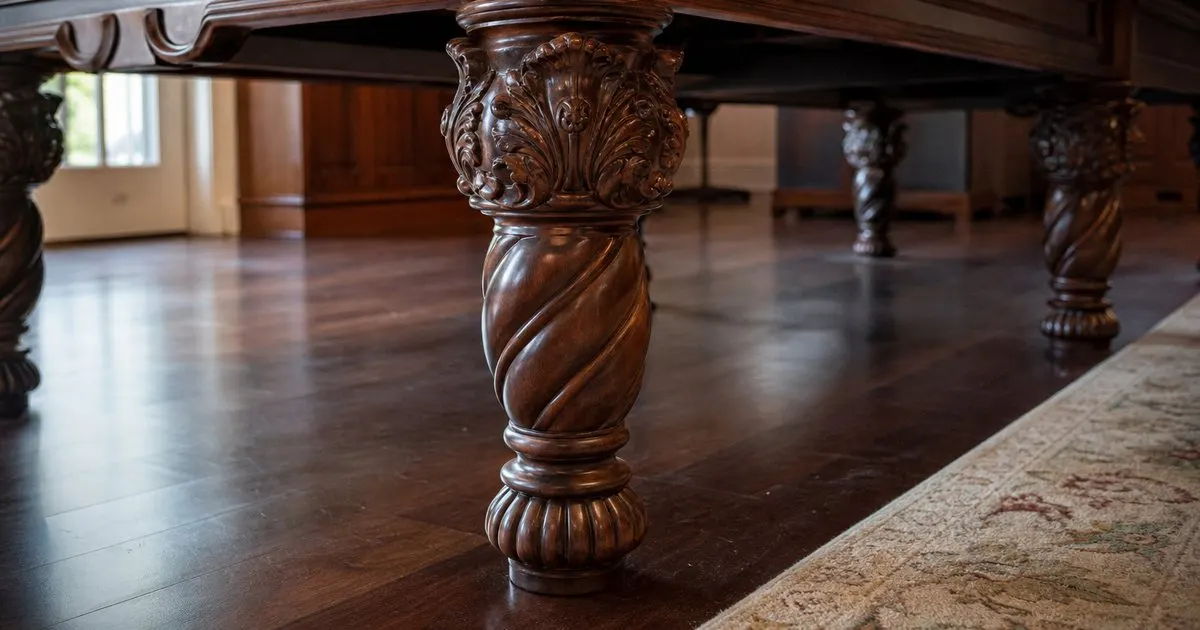
Which hardwoods age most gracefully in a fine heirloom quality billiard table?
Get the complete heirloom pool and billiard tables guide
Our full buying guide, the price guide, and new research as we publish it. One email, no spam, unsubscribe any time.