How do you document provenance so an heirloom billiard table holds its value?
A fine table is worth more when its story is on paper. Here is how to build and maintain the record that future buyers, appraisers, and your own family will thank you for.

Why provenance matters for a table, not just a painting
Collectors of antique tables already know that a documented maker, an original nameplate, and a traceable history separate a valuable piece from an anonymous one, and the same logic applies to a table commissioned today. In fifty years, the difference between a beautiful old table and a beautiful old table by a known maker, with its original specification and a complete service history, will be substantial. The maker's mark, whether a brass plate on the apron, a stamp on the slate backing, or a signature inside a rail, is the anchor. Everything else is the paper that proves what the mark claims. Related: What slate thickness truly matters when buying a premium billiard table for home?
Provenance also protects you in the shorter term. An insurer will want documentation to write a rider for a high-value item and to settle a claim after a flood or a fire. An appraiser needs the original specification to value the table accurately rather than guessing at whether the slate is one inch or the rails are solid. And a buyer, should you ever sell, will pay more for certainty than for a story told across a showroom floor. Documentation is not bureaucracy; it is the cheapest insurance a fine table will ever carry. Related: Which hardwoods age most gracefully in a fine heirloom quality billiard table?
Keep reading: How do you select an heirloom pool table that lasts for several generations?, What slate thickness truly matters when buying a premium billiard table for home?, Which hardwoods age most gracefully in a fine heirloom quality billiard table?. See how Billiardr helps you a craftsman guide to heirloom pool and billiard tables.
Building the file from the first day
Start the file the day you place the order. Keep the itemized invoice and the final specification, which should name the slate thickness and piece count, the wood species and construction, the cushion type, the finish system, the cloth, and the pocket materials. Keep the approved shop drawings and any samples you signed off on. Ask the maker for a certificate of authenticity or a signed letter describing the table, and request photographs from the build: the frame in the white, the slate being fitted, the finish going on. Makers are typically pleased to send these, and they are irreplaceable later.
When the table is installed, add the installer's name and date and, if they will provide it, a note of the leveling readings and the cloth installed. Photograph the finished table thoroughly in good light, including the maker's mark, every pocket, the rail sights, and the underside if you can. Then make the file redundant. Keep a physical folder with the table's household records and a scanned copy in at least two digital locations. Paper survives power failures; digital survives house fires. A serious heirloom deserves both.
Recording the life of the table
Provenance is a living record, and the most valuable part of it is often the service history. Every time the table is reclothed, note the date, the mechanic, and the cloth used. Record cushion replacements, releveling, finish repairs, and any move from room to room or house to house, with the mover's name and the date. If a component is replaced, keep the original where practical; a set of original rail sights or the first pocket leather stored in a labeled box is exactly the kind of detail a future collector will treasure. Related: Why does room size dictate the ideal billiard table dimensions for comfortable play?
Review the file every few years. Photograph the table's condition, update the insurance valuation if the market or the table's circumstances have changed, and confirm that any transferable warranty is still current and correctly documented. If the maker is still in business, a brief note asking them to confirm the table in their records costs nothing and may matter later, since a maker's own ledger is a powerful corroboration. Small habits, kept over decades, are what turn a receipt into provenance.
When it is time to sell or pass it on
A buyer of a fine used table will look for exactly what you have been keeping: proof of the maker, the original specification, and evidence that the table was maintained by people who knew what they were doing. Specialist dealers and auction houses that handle antique and fine billiard tables ask for the same, and a complete file typically shortens the sale and supports a stronger price. Be equally honest about what depresses value, because a knowledgeable buyer will find it anyway: cut or replaced slate, replaced rails, undocumented modifications, and missing original hardware are the usual culprits. Related: How do you select an heirloom pool table that lasts for several generations?
If the table is going to family rather than to market, write a letter of provenance to accompany the file. Say who commissioned the table, when and why, where it has lived, and what it has meant to the household. That letter has no market value at all and is, for the people who will own the table next, the most valuable page in the folder. An heirloom is a story that happens to be made of slate and hardwood, and the best thing you can do for the next generation is to make sure the story travels with it.
- The maker's mark anchors a table's identity; the paper file proves what the mark claims.
- Keep the invoice, specification, shop drawings, certificate, build photographs, and installation record from day one.
- Log every recloth, cushion replacement, move, and repair with dates and names, and keep replaced originals.
- A complete file supports insurance, appraisal, resale, and a letter of provenance for the next generation.

Julien Jimenez
Julien Jimenez is an independent software builder based in Paris. He designs, ships, and operates focused SaaS products for small businesses and independent professionals. Read the full author page.
A Table Built to Be Inherited
A craftsman guide to heirloom pool and billiard tables. Billiardr is built to help you put this into practice.
Find your tableMore from the Billiardr blog
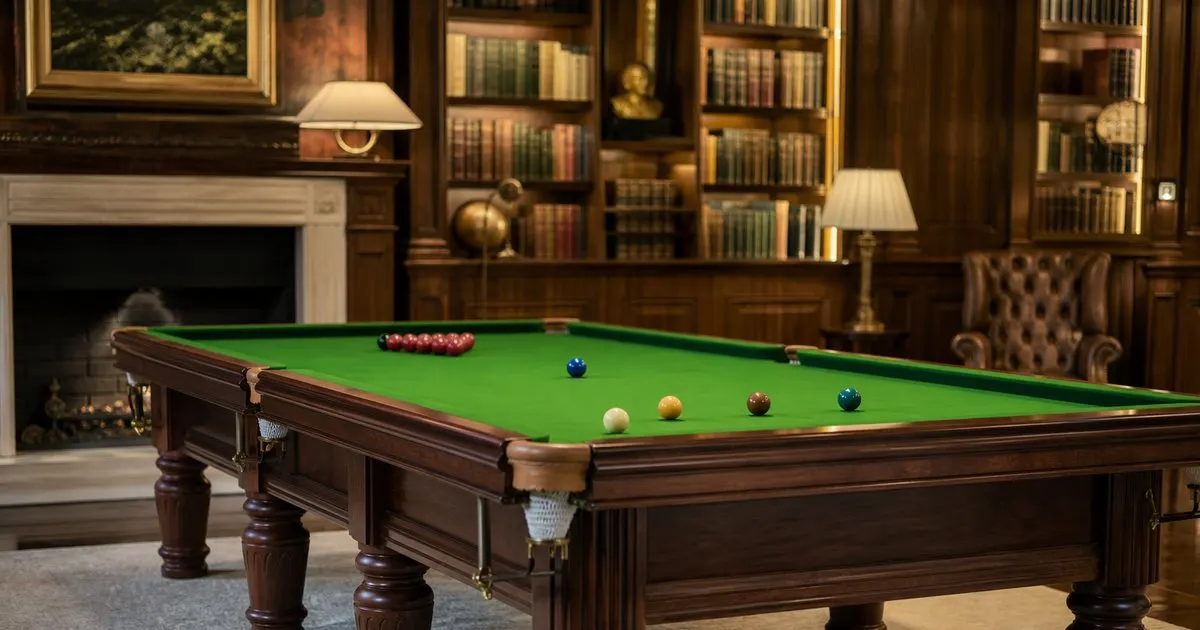
How do you select an heirloom pool table that lasts for several generations?
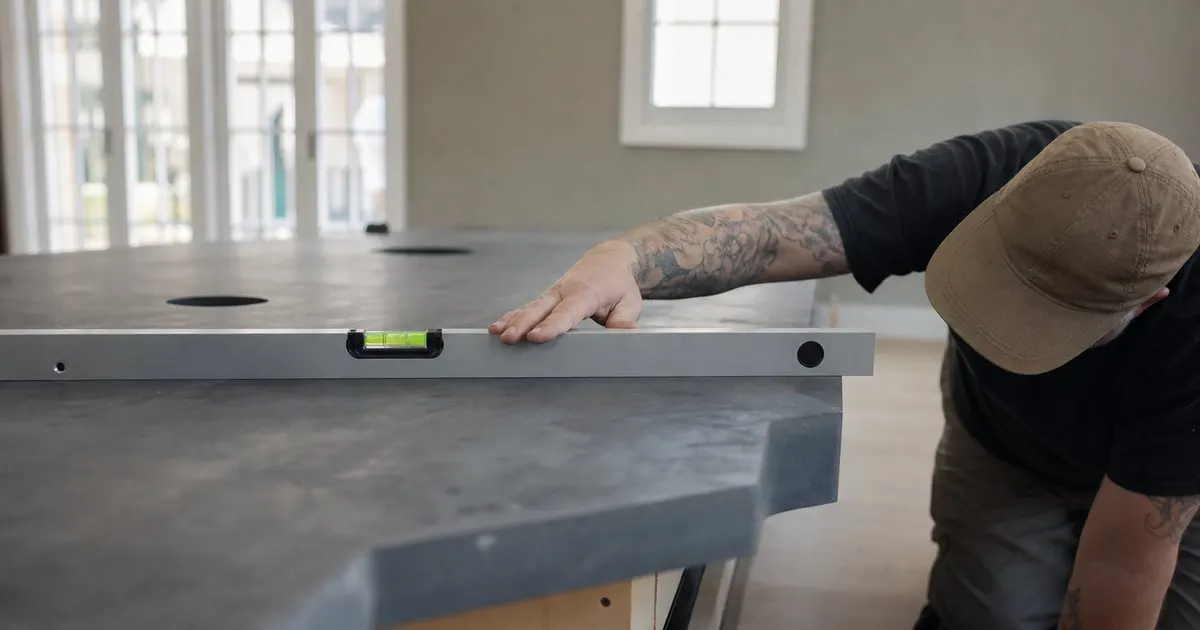
What slate thickness truly matters when buying a premium billiard table for home?
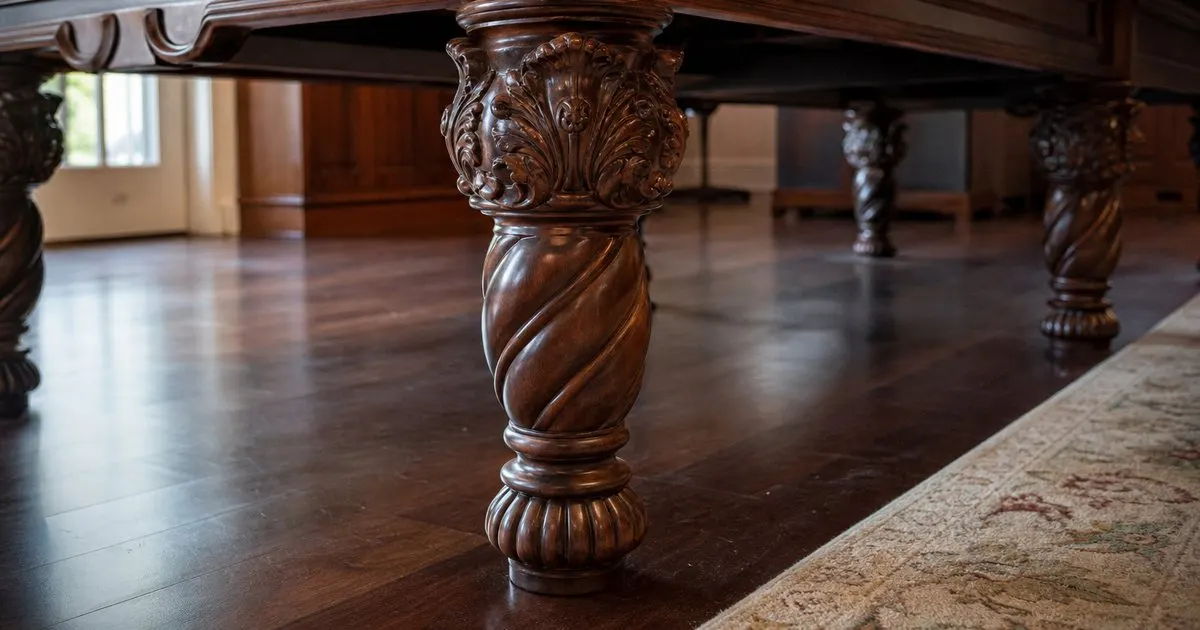
Which hardwoods age most gracefully in a fine heirloom quality billiard table?
Get the complete heirloom pool and billiard tables guide
Our full buying guide, the price guide, and new research as we publish it. One email, no spam, unsubscribe any time.